What the Mona Lisa taught me about training AI.
What happens when you stand in front of the Mona Lisa? And what happens when AI does?
Insights
The World's Most Famous Painting
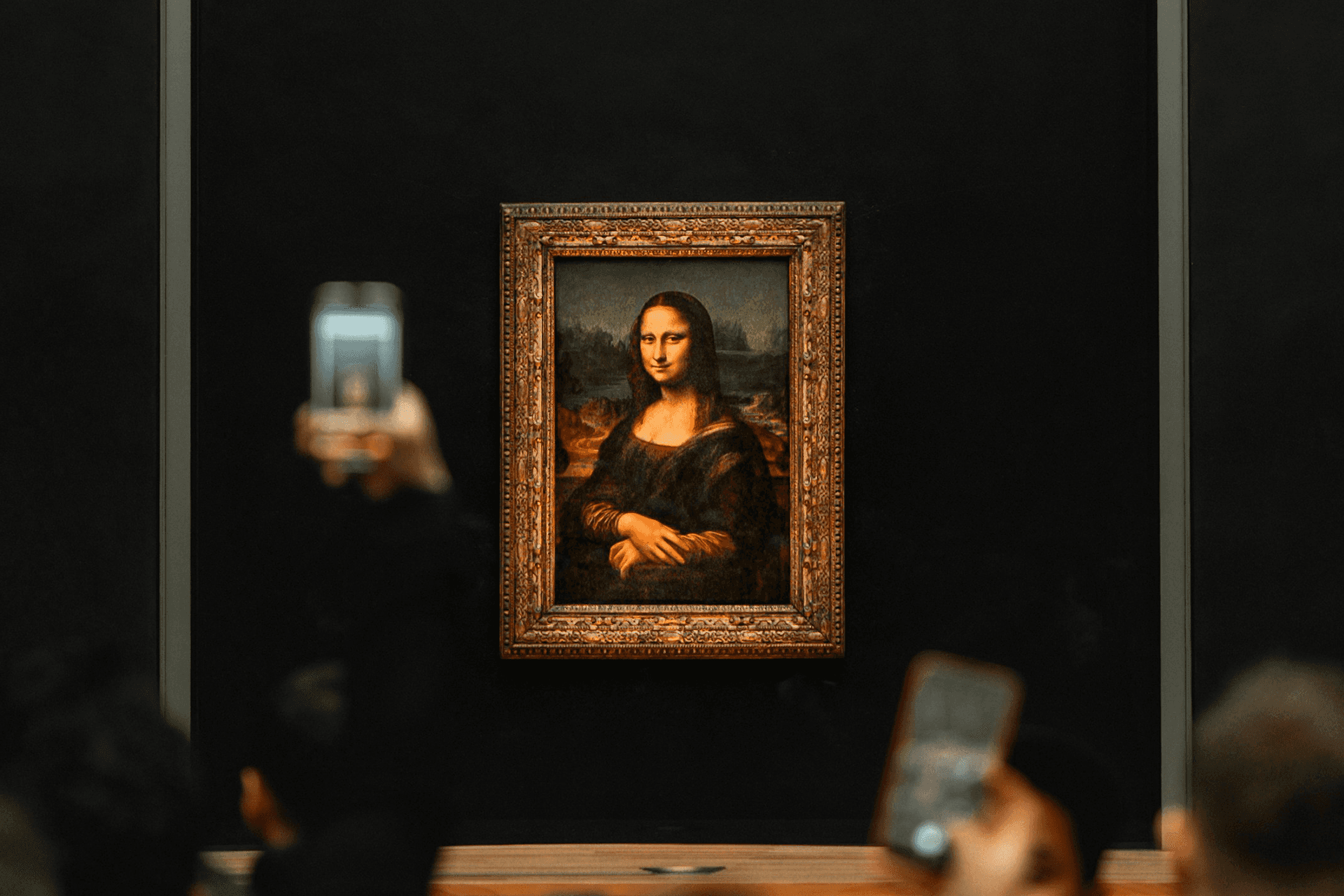
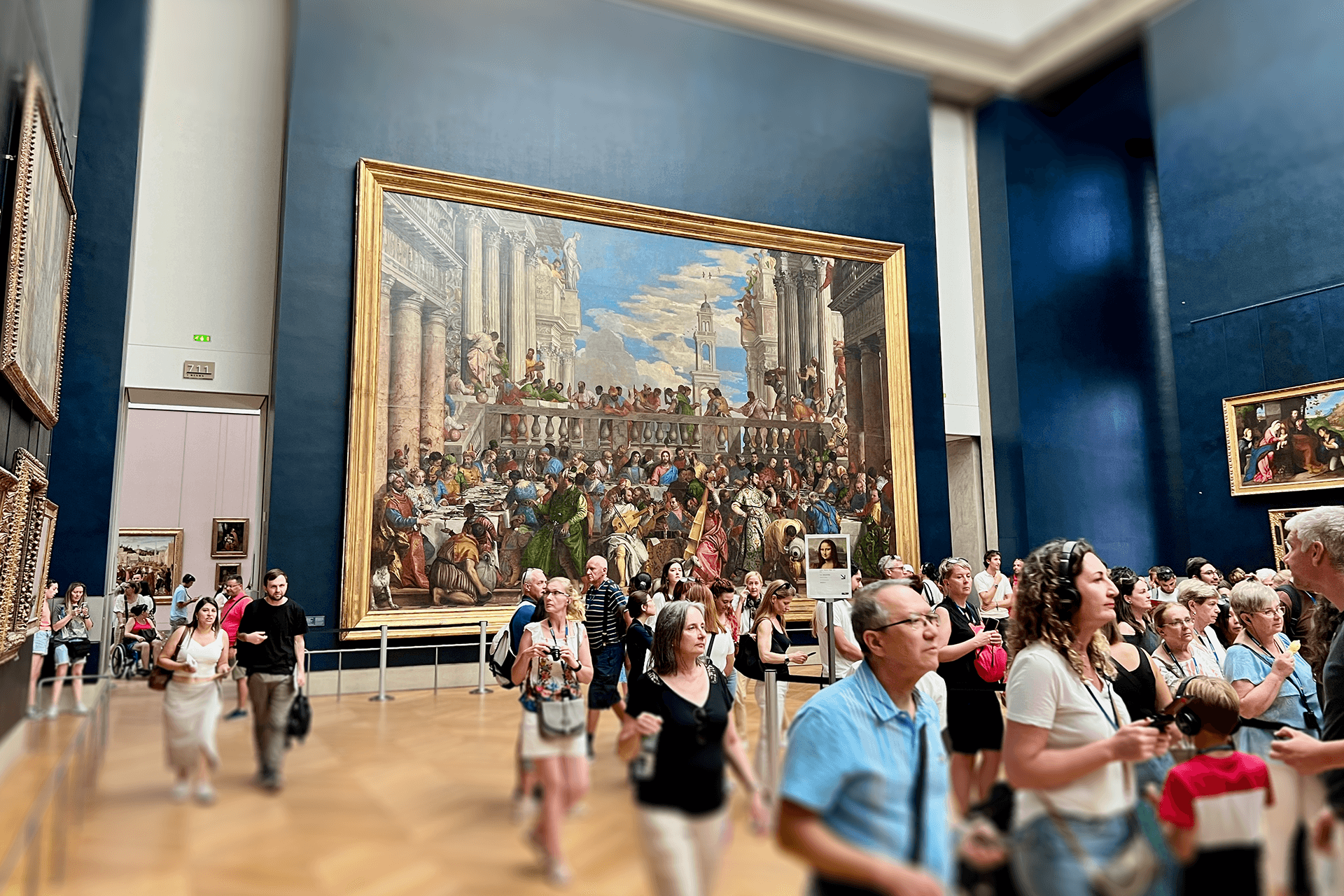
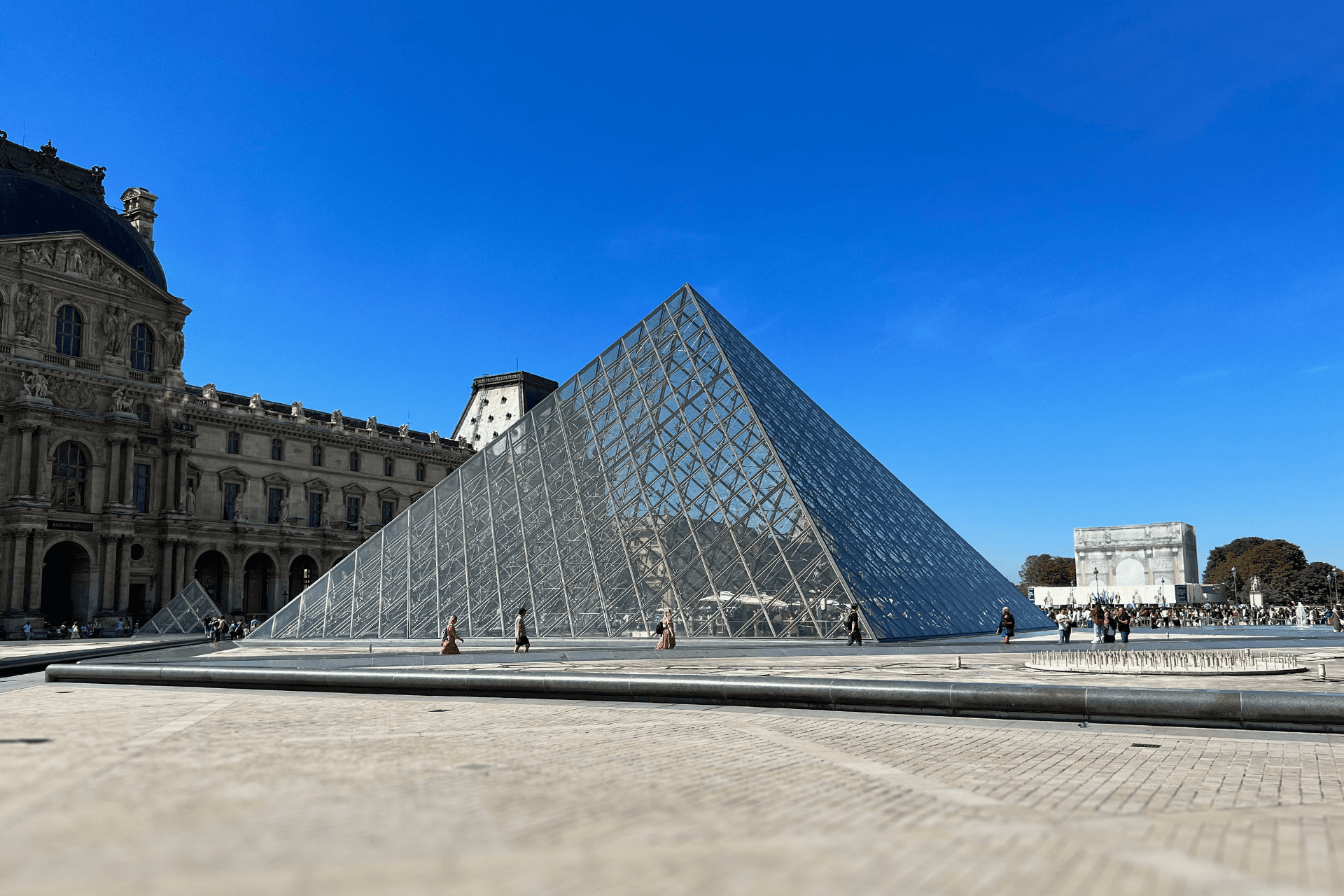
On one of my trips, I was fortunate enough to visit the Louvre Museum in Paris. There was a large crowd gathered around the Mona Lisa. People were waiting to take selfies with it. I had a moment when I thought it was interesting that on the opposite wall was this beautiful, massive painting that was mostly ignored. That got me thinking differently about how people consume the arts versus how AI does.
As a creative, I feel the arts are what make us human. With all the advancements in AI-generated content, I try to explore different perspectives to better understand it. What makes my experience walking through a museum and being inspired different from training an AI model? Well, it’s not so different in consuming a museum’s worth of paintings or a century of cinema. Both absorb the content and are influenced with the intention of making something new.
Scale & Feeling
However, the biggest difference is that when a human encounters art, they feel something. We bring our own frame of reference. Five people could watch the same movie, and it may feel different to each of them. AI consumes everything at scale but feels none of it.
That scale is also a big factor. People don’t have the same access to art that AI does. It would take me a while to cover all the ground at the Louvre, and that is just one museum. Time plays a role. I was fortunate enough to travel, otherwise I would have only experienced a portion of it digitally. Geography plays a role. Plus, I had to buy a ticket. Depending on how it is trained, AI may not have the same costs as a barrier to the arts.
Benefit in Limitations
Humans are selective. We pick and choose. There is a reason why the crowd flocks to the Mona Lisa but ignores the Louvre’s largest painting behind them. With this selective nature and the scale factors, it demonstrates that limitation can be a good thing. There are nuances and genres that emerge from that. The White Stripes use a three-sound rule to limit their works to three elements, then swapping out for different tracks, allowing for greater creativity.
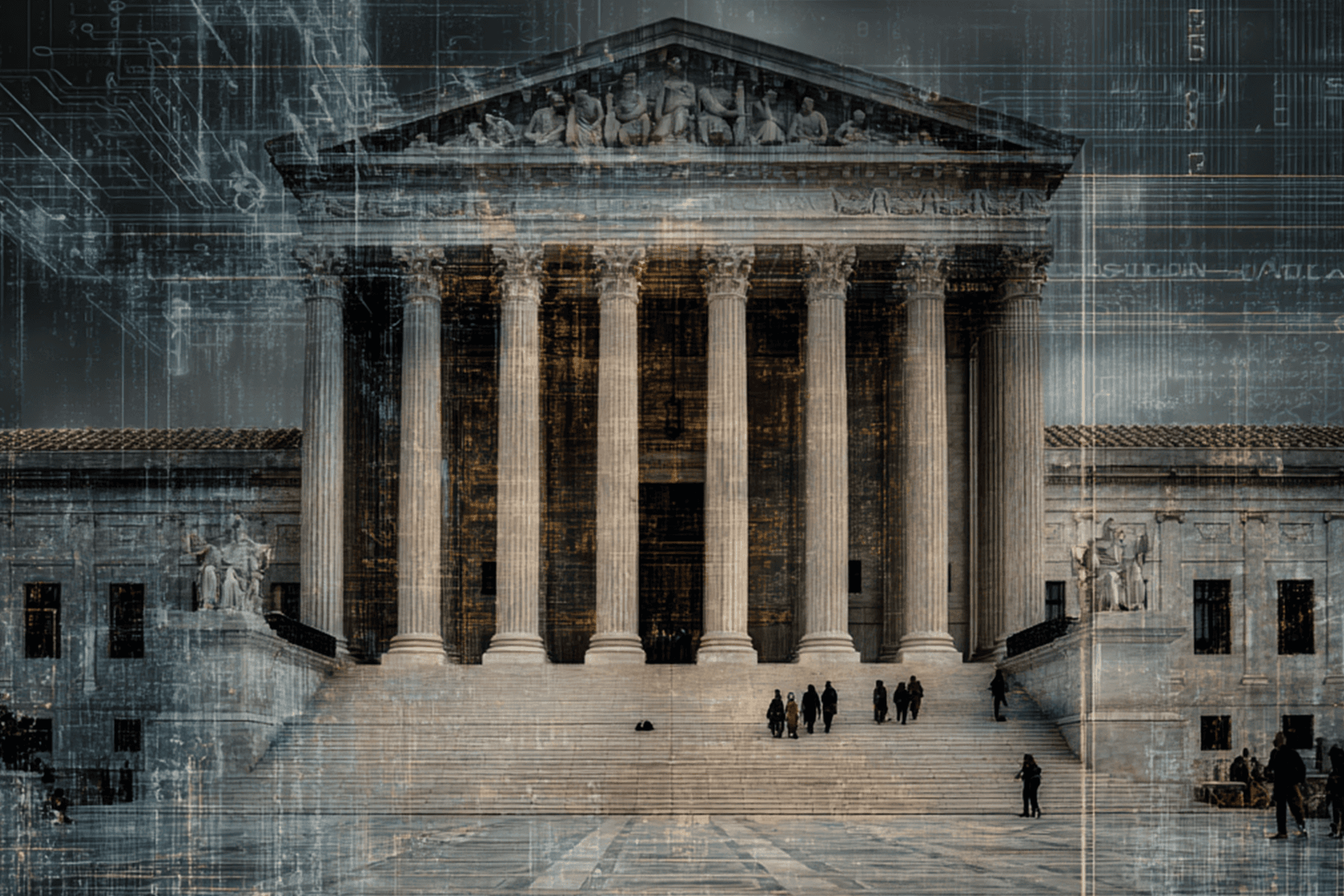
As these tools will continue to evolve, it is important to understand these viewpoints and consider things from different angles. Do we find a connection with AI-created content? There is already fatigue from AI slop. I see tiers to this theme. From pure artistic endeavors to functional use cases like brand and design, to quick meme trends that dominate the social feed. When and where might also play a factor. Ask yourself, is training AI with creative works similar to a person being inspired?
More to Discover

What the Mona Lisa taught me about training AI.
What happens when you stand in front of the Mona Lisa? And what happens when AI does?
Insights
The World's Most Famous Painting
On one of my trips, I was fortunate enough to visit the Louvre Museum in Paris. There was a large crowd gathered around the Mona Lisa. People were waiting to take selfies with it. I had a moment when I thought it was interesting that on the opposite wall was this beautiful, massive painting that was mostly ignored. That got me thinking differently about how people consume the arts versus how AI does.
As a creative, I feel the arts are what make us human. With all the advancements in AI-generated content, I try to explore different perspectives to better understand it. What makes my experience walking through a museum and being inspired different from training an AI model? Well, it’s not so different in consuming a museum’s worth of paintings or a century of cinema. Both absorb the content and are influenced with the intention of making something new.
Scale & Feeling
However, the biggest difference is that when a human encounters art, they feel something. We bring our own frame of reference. Five people could watch the same movie, and it may feel different to each of them. AI consumes everything at scale but feels none of it.
That scale is also a big factor. People don’t have the same access to art that AI does. It would take me a while to cover all the ground at the Louvre, and that is just one museum. Time plays a role. I was fortunate enough to travel, otherwise I would have only experienced a portion of it digitally. Geography plays a role. Plus, I had to buy a ticket. Depending on how it is trained, AI may not have the same costs as a barrier to the arts.
Benefit in Limitations
Humans are selective. We pick and choose. There is a reason why the crowd flocks to the Mona Lisa but ignores the Louvre’s largest painting behind them. With this selective nature and the scale factors, it demonstrates that limitation can be a good thing. There are nuances and genres that emerge from that. The White Stripes use a three-sound rule to limit their works to three elements, then swapping out for different tracks, allowing for greater creativity.
As these tools will continue to evolve, it is important to understand these viewpoints and consider things from different angles. Do we find a connection with AI-created content? There is already fatigue from AI slop. I see tiers to this theme. From pure artistic endeavors to functional use cases like brand and design, to quick meme trends that dominate the social feed. When and where might also play a factor. Ask yourself, is training AI with creative works similar to a person being inspired?
More to Discover
What the Mona Lisa taught me about training AI.
What happens when you stand in front of the Mona Lisa? And what happens when AI does?
Insights
The World's Most Famous Painting
On one of my trips, I was fortunate enough to visit the Louvre Museum in Paris. There was a large crowd gathered around the Mona Lisa. People were waiting to take selfies with it. I had a moment when I thought it was interesting that on the opposite wall was this beautiful, massive painting that was mostly ignored. That got me thinking differently about how people consume the arts versus how AI does.
As a creative, I feel the arts are what make us human. With all the advancements in AI-generated content, I try to explore different perspectives to better understand it. What makes my experience walking through a museum and being inspired different from training an AI model? Well, it’s not so different in consuming a museum’s worth of paintings or a century of cinema. Both absorb the content and are influenced with the intention of making something new.
Scale & Feeling
However, the biggest difference is that when a human encounters art, they feel something. We bring our own frame of reference. Five people could watch the same movie, and it may feel different to each of them. AI consumes everything at scale but feels none of it.
That scale is also a big factor. People don’t have the same access to art that AI does. It would take me a while to cover all the ground at the Louvre, and that is just one museum. Time plays a role. I was fortunate enough to travel, otherwise I would have only experienced a portion of it digitally. Geography plays a role. Plus, I had to buy a ticket. Depending on how it is trained, AI may not have the same costs as a barrier to the arts.
Benefit in Limitations
Humans are selective. We pick and choose. There is a reason why the crowd flocks to the Mona Lisa but ignores the Louvre’s largest painting behind them. With this selective nature and the scale factors, it demonstrates that limitation can be a good thing. There are nuances and genres that emerge from that. The White Stripes use a three-sound rule to limit their works to three elements, then swapping out for different tracks, allowing for greater creativity.
As these tools will continue to evolve, it is important to understand these viewpoints and consider things from different angles. Do we find a connection with AI-created content? There is already fatigue from AI slop. I see tiers to this theme. From pure artistic endeavors to functional use cases like brand and design, to quick meme trends that dominate the social feed. When and where might also play a factor. Ask yourself, is training AI with creative works similar to a person being inspired?