Who Owns the Frame? What the Supreme Court's AI Copyright Decision Means for Creatives and Marketing Teams
A breakdown of the Supreme Court's recent AI copyright ruling and what it means in practice for creatives, in-house marketing teams, and the brand films they're trying to protect.
Insights
Who’s the Auteur?
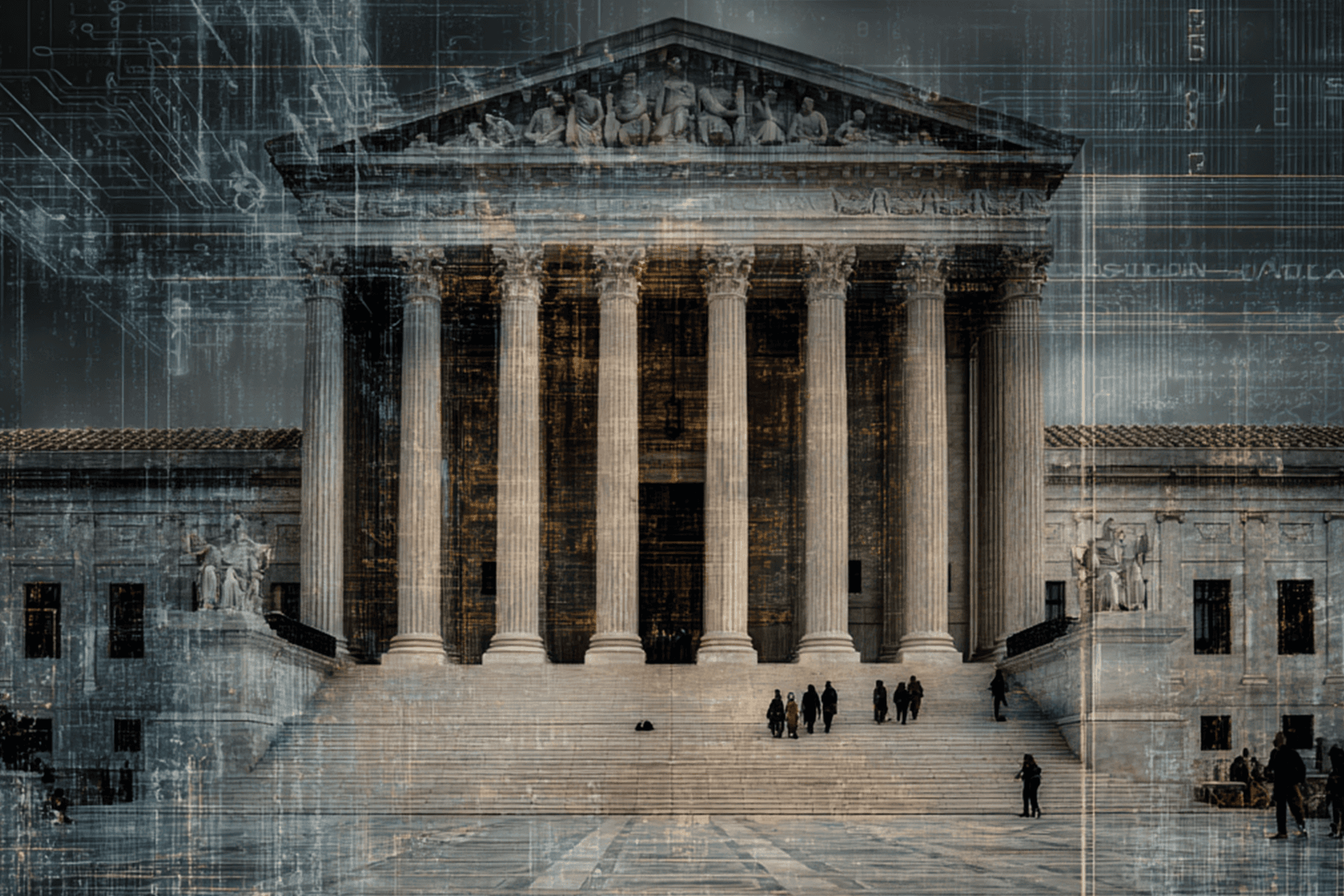
There is a concept in film studies called Auteur Theory. In short, it suggests that the director is the author of a film more so than the screenwriter. Determining who the author is has become a critical issue in cases involving AI-generated creative works. In March 2026, the U.S. Supreme Court quietly made a decision that will shape creative work for years to come. They declined to hear Thaler v. Perlmutter, which is a case that asked a simple question: can an AI be the author of a copyrighted work?
The answer, for now, is no.
The Court left standing a DC Circuit ruling that affirmed the U.S. Copyright Office's requirement of human authorship for eligibility for copyright protection. The case centered on a piece of visual art created entirely by a generative AI system. Thaler, a computer scientist, listed the AI as the sole author on his copyright application. The courts said no at every level. And now the Supreme Court has declined to revisit it.
So what does that actually mean for you as a creative, and for the marketing teams and brands using AI tools right now?

The Ruling in Plain English
Works created solely by AI are not eligible for copyright registration under current rules. Businesses leveraging AI for creative output will only be able to protect copyright in AI works created with sufficient human involvement in the direction, prompting, or alteration of the resulting work.
That's the line. Not whether AI was used. Not whether AI did most of the work. The question is whether a human was meaningfully involved in the creative process.
And here's where it gets complicated. The Copyright Office has clarified that prompts alone are insufficient to afford a work copyright protection, concluding that prompts essentially function as instructions that convey unprotectable ideas and that currently available technologies do not offer sufficient control and predictability over outputs. In other words, typing a prompt doesn't make you an author. Not yet. Not legally.
What This Means for Creatives
From talking with my fellow creatives, there is a sense of unease as we see brands and agencies replace our human creative works with AI visuals. This ruling changes the game. Human authorship is more than just a value these days. It has turned into a legal requirement.
That matters in practice. If a brand runs a campaign built entirely on AI-generated visuals with no meaningful human creative contribution, they may have limited ability to protect that work. Anyone could potentially replicate it. A competitor could iterate on it. The brand owns nothing.
The creative who conceives, directs, and shapes the work? They still own something. Their judgment, their eye, their decisions are what copyright is now built on. It means our human contributions have a new name called authorship.
What This Means for Marketing Teams and Brand Films
For in-house teams, especially, this ruling has real implications that most people haven't yet begun to think through. If your team is using AI tools to generate visuals, motion graphics, or supporting assets for brand work, you need to ask a harder question than "does this look good?" You need to ask: where is the human authorship in this? Who made the creative decisions? How much did a person actually shape what came out the other side?
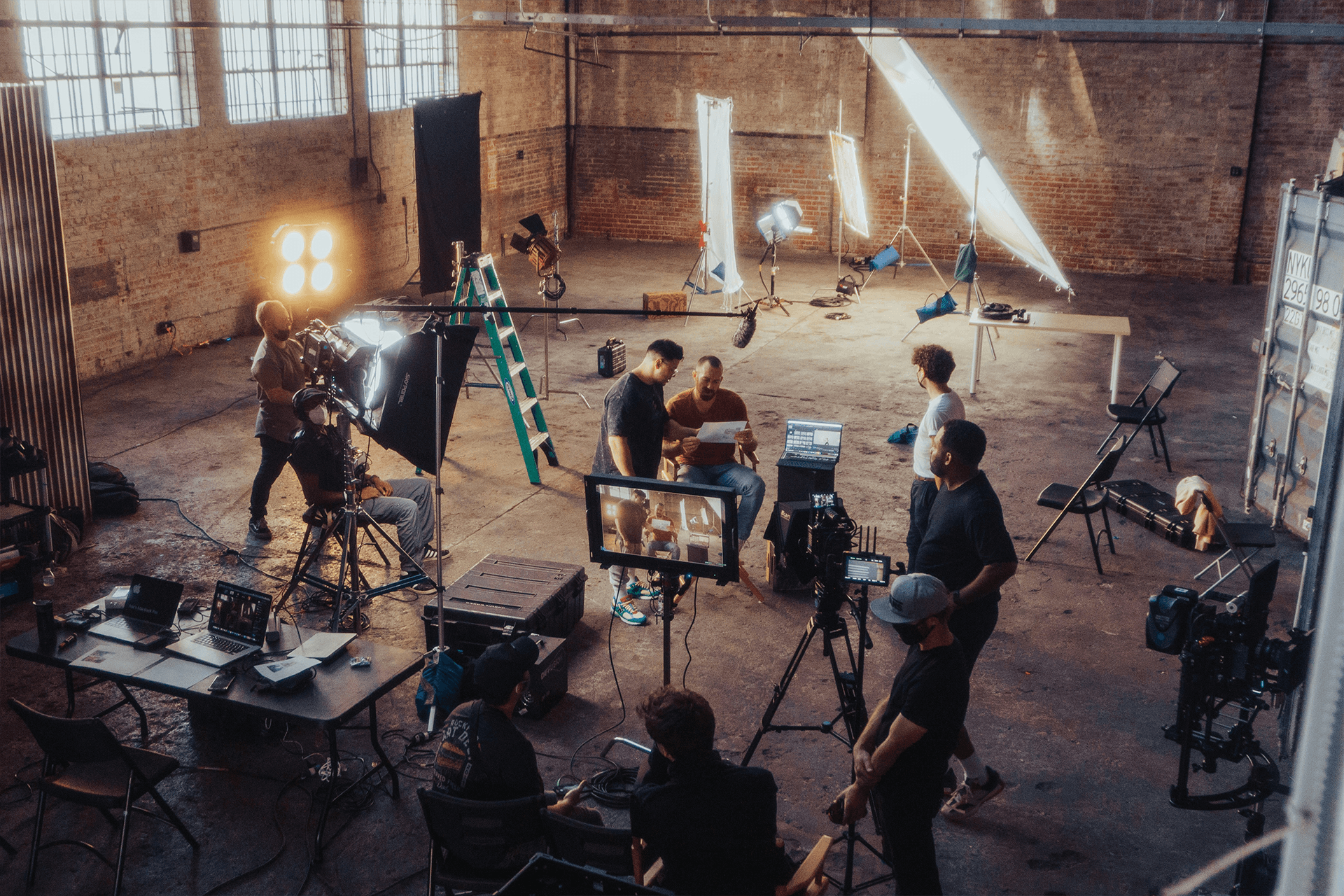
For brand films specifically, the stakes are even higher. A brand film is often a flagship piece of intellectual property. It is something a company will use for years, license, distribute internationally, and defend if someone copies it. If that film contains AI-generated elements created without sufficient human creative involvement, those waters get murky quickly.
The consistent message from courts and administrative bodies is clear. If you want IP protection, there must be a human in the process. Careful documentation of human contributions to the creative and inventive process is more critical than ever. It’s worth underlining that word documentation. It's not enough to have a human involved since you may need to demonstrate how and where.
The Gray Area Nobody Is Talking About
The current ruling still doesn’t fully address what the future looks like. The big question will be how much human involvement is enough to preserve copyright. The US Copyright Office and the courts have yet to provide clear guidelines on how much human contribution is needed. Plus, there are still pending cases that will continue to shape the future.
For now, the best practical advice for creative and marketing teams is to treat AI as a tool and not as a creator. If you’re using these ever-evolving AI tools, get a policy in place. Determine how your team will be involved and document the creative process. Reach out to legal and discuss the areas that are vital to preserving copyright and those where there is more flexibility.
The Bigger Picture
Many of us have spent years developing our creative styles. We’ve learned from experience how to tell a story or compose a shot. This ruling is a good reminder that those skills are still valuable.
Be the director. Be the auteur. AI can generate a video, but it cannot author one. In the end, authorship has to come from somewhere, so make sure it is coming from you.
More to Discover
Who Owns the Frame? What the Supreme Court's AI Copyright Decision Means for Creatives and Marketing Teams
A breakdown of the Supreme Court's recent AI copyright ruling and what it means in practice for creatives, in-house marketing teams, and the brand films they're trying to protect.
Insights
Who’s the Auteur?
There is a concept in film studies called Auteur Theory. In short, it suggests that the director is the author of a film more so than the screenwriter. Determining who the author is has become a critical issue in cases involving AI-generated creative works. In March 2026, the U.S. Supreme Court quietly made a decision that will shape creative work for years to come. They declined to hear Thaler v. Perlmutter, which is a case that asked a simple question: can an AI be the author of a copyrighted work?
The answer, for now, is no.
The Court left standing a DC Circuit ruling that affirmed the U.S. Copyright Office's requirement of human authorship for eligibility for copyright protection. The case centered on a piece of visual art created entirely by a generative AI system. Thaler, a computer scientist, listed the AI as the sole author on his copyright application. The courts said no at every level. And now the Supreme Court has declined to revisit it.
So what does that actually mean for you as a creative, and for the marketing teams and brands using AI tools right now?
The Ruling in Plain English
Works created solely by AI are not eligible for copyright registration under current rules. Businesses leveraging AI for creative output will only be able to protect copyright in AI works created with sufficient human involvement in the direction, prompting, or alteration of the resulting work.
That's the line. Not whether AI was used. Not whether AI did most of the work. The question is whether a human was meaningfully involved in the creative process.
And here's where it gets complicated. The Copyright Office has clarified that prompts alone are insufficient to afford a work copyright protection, concluding that prompts essentially function as instructions that convey unprotectable ideas and that currently available technologies do not offer sufficient control and predictability over outputs. In other words, typing a prompt doesn't make you an author. Not yet. Not legally.
What This Means for Creatives
From talking with my fellow creatives, there is a sense of unease as we see brands and agencies replace our human creative works with AI visuals. This ruling changes the game. Human authorship is more than just a value these days. It has turned into a legal requirement.
That matters in practice. If a brand runs a campaign built entirely on AI-generated visuals with no meaningful human creative contribution, they may have limited ability to protect that work. Anyone could potentially replicate it. A competitor could iterate on it. The brand owns nothing.
The creative who conceives, directs, and shapes the work? They still own something. Their judgment, their eye, their decisions are what copyright is now built on. It means our human contributions have a new name called authorship.
What This Means for Marketing Teams and Brand Films
For in-house teams, especially, this ruling has real implications that most people haven't yet begun to think through. If your team is using AI tools to generate visuals, motion graphics, or supporting assets for brand work, you need to ask a harder question than "does this look good?" You need to ask: where is the human authorship in this? Who made the creative decisions? How much did a person actually shape what came out the other side?
For brand films specifically, the stakes are even higher. A brand film is often a flagship piece of intellectual property. It is something a company will use for years, license, distribute internationally, and defend if someone copies it. If that film contains AI-generated elements created without sufficient human creative involvement, those waters get murky quickly.
The consistent message from courts and administrative bodies is clear. If you want IP protection, there must be a human in the process. Careful documentation of human contributions to the creative and inventive process is more critical than ever. It’s worth underlining that word documentation. It's not enough to have a human involved since you may need to demonstrate how and where.
The Gray Area Nobody Is Talking About
The current ruling still doesn’t fully address what the future looks like. The big question will be how much human involvement is enough to preserve copyright. The US Copyright Office and the courts have yet to provide clear guidelines on how much human contribution is needed. Plus, there are still pending cases that will continue to shape the future.
For now, the best practical advice for creative and marketing teams is to treat AI as a tool and not as a creator. If you’re using these ever-evolving AI tools, get a policy in place. Determine how your team will be involved and document the creative process. Reach out to legal and discuss the areas that are vital to preserving copyright and those where there is more flexibility.
The Bigger Picture
Many of us have spent years developing our creative styles. We’ve learned from experience how to tell a story or compose a shot. This ruling is a good reminder that those skills are still valuable.
Be the director. Be the auteur. AI can generate a video, but it cannot author one. In the end, authorship has to come from somewhere, so make sure it is coming from you.
More to Discover
Who Owns the Frame? What the Supreme Court's AI Copyright Decision Means for Creatives and Marketing Teams
A breakdown of the Supreme Court's recent AI copyright ruling and what it means in practice for creatives, in-house marketing teams, and the brand films they're trying to protect.
Insights
Who’s the Auteur?
There is a concept in film studies called Auteur Theory. In short, it suggests that the director is the author of a film more so than the screenwriter. Determining who the author is has become a critical issue in cases involving AI-generated creative works. In March 2026, the U.S. Supreme Court quietly made a decision that will shape creative work for years to come. They declined to hear Thaler v. Perlmutter, which is a case that asked a simple question: can an AI be the author of a copyrighted work?
The answer, for now, is no.
The Court left standing a DC Circuit ruling that affirmed the U.S. Copyright Office's requirement of human authorship for eligibility for copyright protection. The case centered on a piece of visual art created entirely by a generative AI system. Thaler, a computer scientist, listed the AI as the sole author on his copyright application. The courts said no at every level. And now the Supreme Court has declined to revisit it.
So what does that actually mean for you as a creative, and for the marketing teams and brands using AI tools right now?
The Ruling in Plain English
Works created solely by AI are not eligible for copyright registration under current rules. Businesses leveraging AI for creative output will only be able to protect copyright in AI works created with sufficient human involvement in the direction, prompting, or alteration of the resulting work.
That's the line. Not whether AI was used. Not whether AI did most of the work. The question is whether a human was meaningfully involved in the creative process.
And here's where it gets complicated. The Copyright Office has clarified that prompts alone are insufficient to afford a work copyright protection, concluding that prompts essentially function as instructions that convey unprotectable ideas and that currently available technologies do not offer sufficient control and predictability over outputs. In other words, typing a prompt doesn't make you an author. Not yet. Not legally.
What This Means for Creatives
From talking with my fellow creatives, there is a sense of unease as we see brands and agencies replace our human creative works with AI visuals. This ruling changes the game. Human authorship is more than just a value these days. It has turned into a legal requirement.
That matters in practice. If a brand runs a campaign built entirely on AI-generated visuals with no meaningful human creative contribution, they may have limited ability to protect that work. Anyone could potentially replicate it. A competitor could iterate on it. The brand owns nothing.
The creative who conceives, directs, and shapes the work? They still own something. Their judgment, their eye, their decisions are what copyright is now built on. It means our human contributions have a new name called authorship.
What This Means for Marketing Teams and Brand Films
For in-house teams, especially, this ruling has real implications that most people haven't yet begun to think through. If your team is using AI tools to generate visuals, motion graphics, or supporting assets for brand work, you need to ask a harder question than "does this look good?" You need to ask: where is the human authorship in this? Who made the creative decisions? How much did a person actually shape what came out the other side?
For brand films specifically, the stakes are even higher. A brand film is often a flagship piece of intellectual property. It is something a company will use for years, license, distribute internationally, and defend if someone copies it. If that film contains AI-generated elements created without sufficient human creative involvement, those waters get murky quickly.
The consistent message from courts and administrative bodies is clear. If you want IP protection, there must be a human in the process. Careful documentation of human contributions to the creative and inventive process is more critical than ever. It’s worth underlining that word documentation. It's not enough to have a human involved since you may need to demonstrate how and where.
The Gray Area Nobody Is Talking About
The current ruling still doesn’t fully address what the future looks like. The big question will be how much human involvement is enough to preserve copyright. The US Copyright Office and the courts have yet to provide clear guidelines on how much human contribution is needed. Plus, there are still pending cases that will continue to shape the future.
For now, the best practical advice for creative and marketing teams is to treat AI as a tool and not as a creator. If you’re using these ever-evolving AI tools, get a policy in place. Determine how your team will be involved and document the creative process. Reach out to legal and discuss the areas that are vital to preserving copyright and those where there is more flexibility.
The Bigger Picture
Many of us have spent years developing our creative styles. We’ve learned from experience how to tell a story or compose a shot. This ruling is a good reminder that those skills are still valuable.
Be the director. Be the auteur. AI can generate a video, but it cannot author one. In the end, authorship has to come from somewhere, so make sure it is coming from you.