Why the Documentary Mindset Makes for Better Marketing
Why borrowing the instincts of documentary filmmaking produces marketing video that actually connects.
Insights
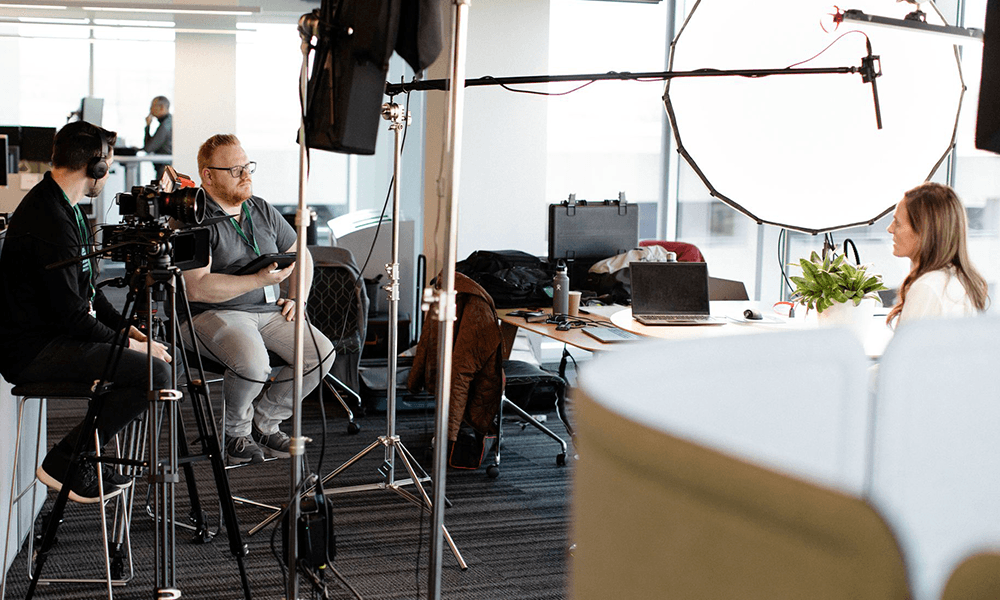
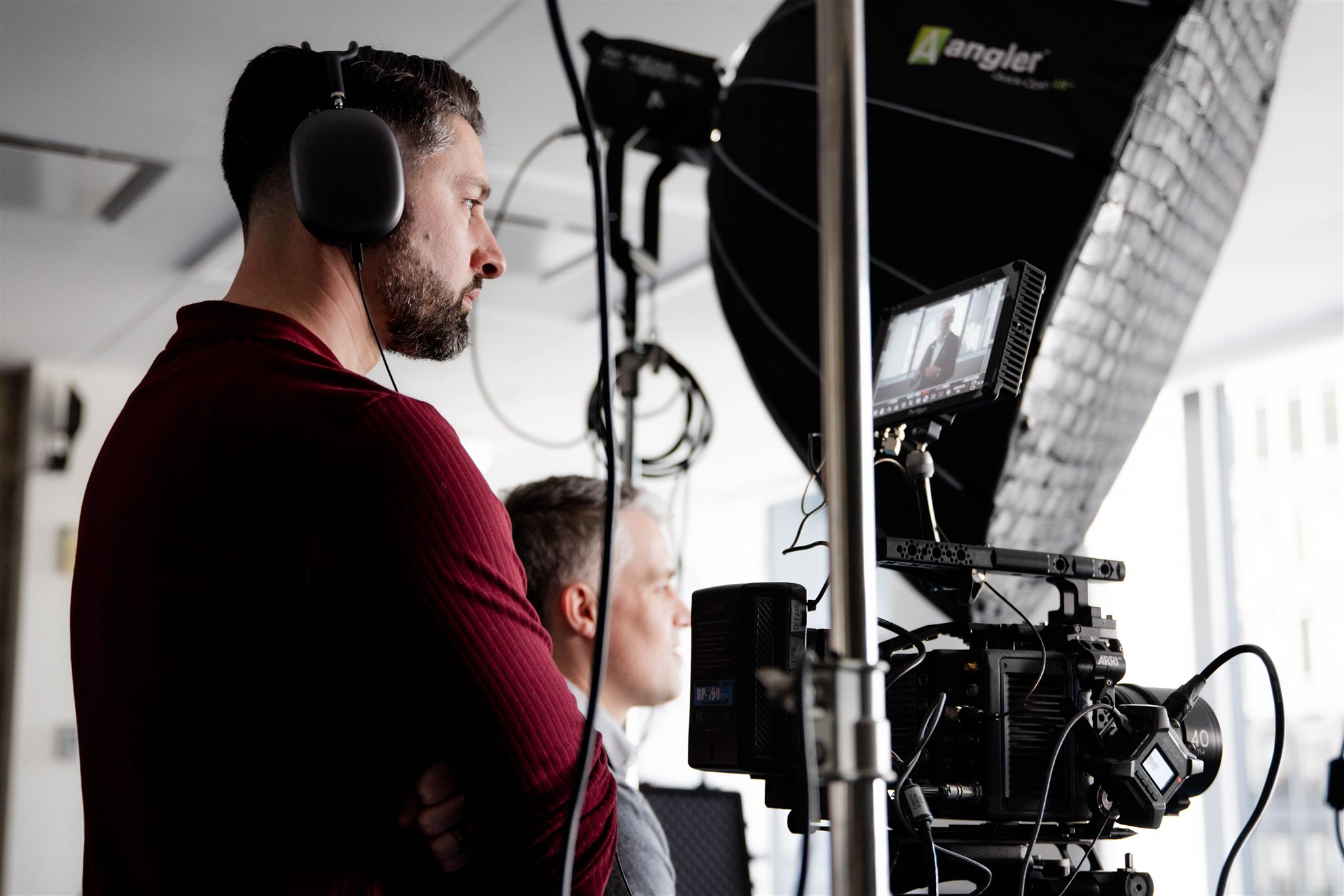
There's a moment that happens far too often on corporate video shoots.
The person sits down for the interview. The lights come up. The camera rolls. Then they transform into a version of themselves that doesn’t seem authentic. They’re recalling all the talking points they need to hit on. The responses seemed forced as they were trying to match the script in their head.
Over my career, I’ve spent a good amount of time making marketing videos, but I’ve also been part of documentary work. The goal there is to find the real story, often requiring digging deeper. The story begins to emerge. These tactics lend themselves incredibly to marketing videos.
What is a documentary mindset?
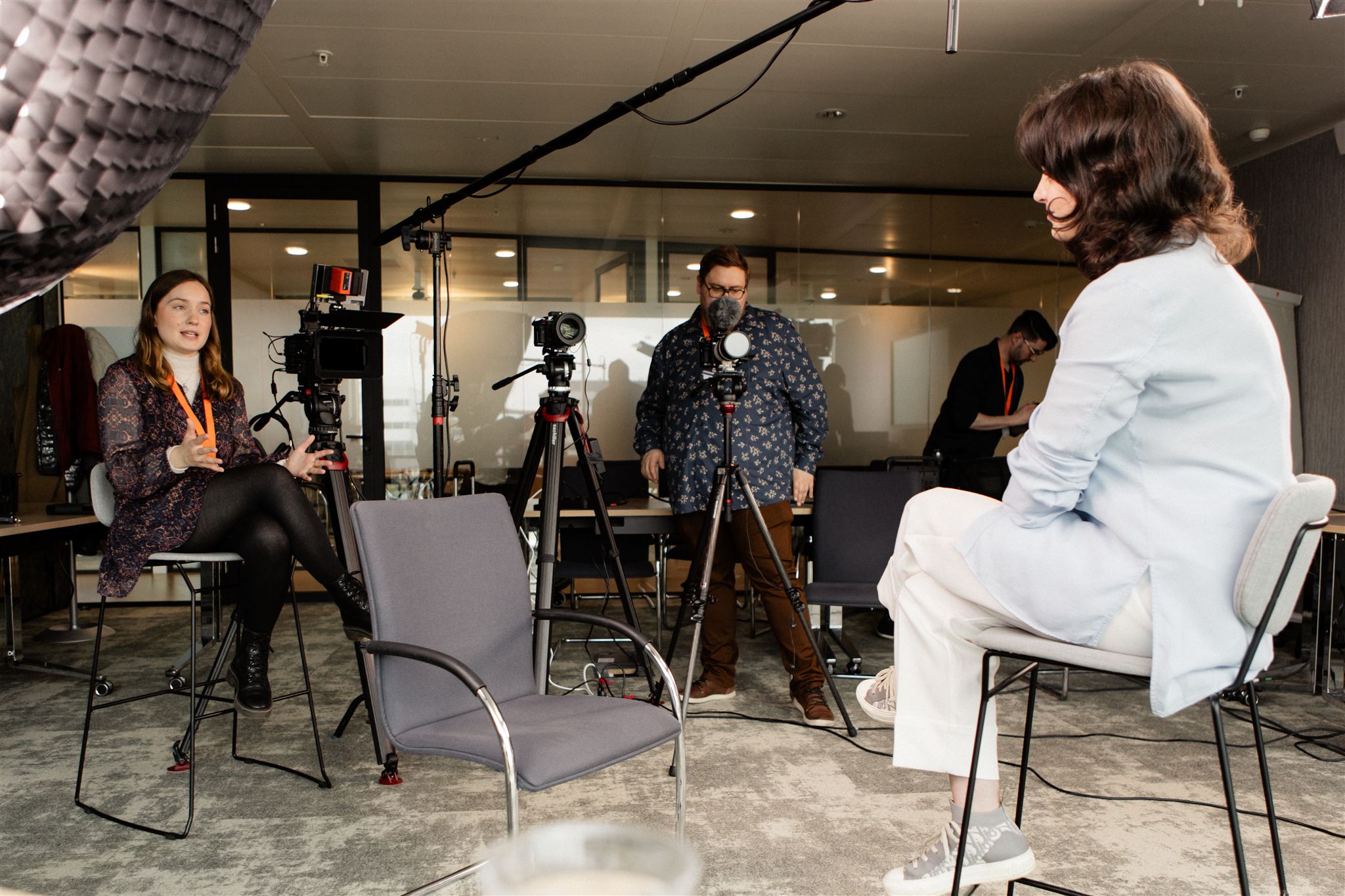
I’m not talking about turning your next video into a Ken Burns documentary. It is about the approach and perspective where one prioritizes truth over polish, discovery over control, and people over messaging.
Documentary filmmakers enter the story without certainty about what they will discover. The skill of listening becomes worth its weight in gold. The filmmakers are ready for the moment that wasn’t in the outline. Then it happens. The interview subject shares something, and that is the moment to explore that thread. This approach really belongs on every set.
What it looks like in practice.
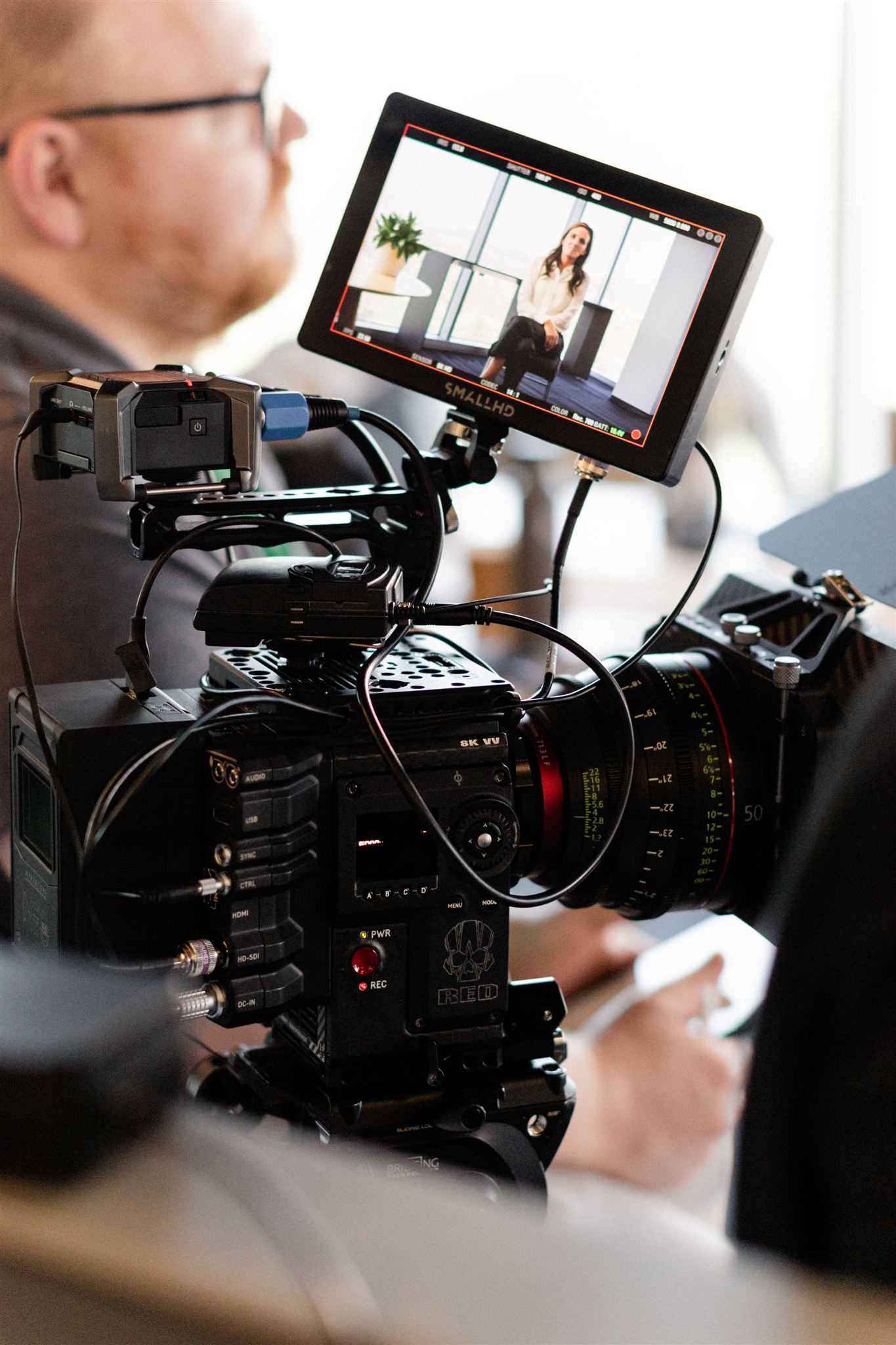
A few years ago I was producing a customer story video for a software company. We had an outline, approved talking points, a two-hour window. Standard stuff. But before we rolled, I spent twenty minutes just talking to the customer — off camera, no agenda. I asked about their team, their day, the thing that kept them up at night before they found the product.
By the time we hit record, she wasn't performing anymore. She was just talking. And what came out of that conversation was a line so specific, so honest, that we built the entire edit around it. It wasn't in any brief. It wasn't something a copywriter could have written. It was hers.
That's the documentary mindset at work.
Why marketing needs it more now than ever.
Audiences are sharper than we give them credit for. They've grown up watching reality TV constructed to look candid, ads engineered to feel spontaneous, and influencers performing authenticity for a fee. They can smell the difference between something real and something produced to seem real.
The brands that are breaking through right now aren't necessarily the ones with the biggest budgets or the slickest production. They're the ones whose stories feel earned. Where the person on screen seems like they actually mean it. Where there's a moment — even a small one — that couldn't have been scripted.
That doesn't happen by accident. It happens because someone on the creative side decided that finding the truth was worth more than controlling the message.
How to make the shift.
The documentary mindset is ultimately just curiosity. Build trust with your subject. I usually ask questions before the cameras roll to keep their focus off the bright lights. Asking questions that take them off the talking points but keep them on the story, such as inquiring about their feelings on the matter. How’d that make you feel? The simple way to start is to ask one more question at the end of your session. Was there anything that stood out that you would go back to?
Don’t aim for perfection. We’re not perfect as humans, and that is exactly who will be watching your video.

More to Discover
Why the Documentary Mindset Makes for Better Marketing
Why borrowing the instincts of documentary filmmaking produces marketing video that actually connects.
Insights
There's a moment that happens far too often on corporate video shoots.
The person sits down for the interview. The lights come up. The camera rolls. Then they transform into a version of themselves that doesn’t seem authentic. They’re recalling all the talking points they need to hit on. The responses seemed forced as they were trying to match the script in their head.
Over my career, I’ve spent a good amount of time making marketing videos, but I’ve also been part of documentary work. The goal there is to find the real story, often requiring digging deeper. The story begins to emerge. These tactics lend themselves incredibly to marketing videos.
What is a documentary mindset?
I’m not talking about turning your next video into a Ken Burns documentary. It is about the approach and perspective where one prioritizes truth over polish, discovery over control, and people over messaging.
Documentary filmmakers enter the story without certainty about what they will discover. The skill of listening becomes worth its weight in gold. The filmmakers are ready for the moment that wasn’t in the outline. Then it happens. The interview subject shares something, and that is the moment to explore that thread. This approach really belongs on every set.
What it looks like in practice.
A few years ago I was producing a customer story video for a software company. We had an outline, approved talking points, a two-hour window. Standard stuff. But before we rolled, I spent twenty minutes just talking to the customer — off camera, no agenda. I asked about their team, their day, the thing that kept them up at night before they found the product.
By the time we hit record, she wasn't performing anymore. She was just talking. And what came out of that conversation was a line so specific, so honest, that we built the entire edit around it. It wasn't in any brief. It wasn't something a copywriter could have written. It was hers.
That's the documentary mindset at work.
Why marketing needs it more now than ever.
Audiences are sharper than we give them credit for. They've grown up watching reality TV constructed to look candid, ads engineered to feel spontaneous, and influencers performing authenticity for a fee. They can smell the difference between something real and something produced to seem real.
The brands that are breaking through right now aren't necessarily the ones with the biggest budgets or the slickest production. They're the ones whose stories feel earned. Where the person on screen seems like they actually mean it. Where there's a moment — even a small one — that couldn't have been scripted.
That doesn't happen by accident. It happens because someone on the creative side decided that finding the truth was worth more than controlling the message.
How to make the shift.
The documentary mindset is ultimately just curiosity. Build trust with your subject. I usually ask questions before the cameras roll to keep their focus off the bright lights. Asking questions that take them off the talking points but keep them on the story, such as inquiring about their feelings on the matter. How’d that make you feel? The simple way to start is to ask one more question at the end of your session. Was there anything that stood out that you would go back to?
Don’t aim for perfection. We’re not perfect as humans, and that is exactly who will be watching your video.
More to Discover
Why the Documentary Mindset Makes for Better Marketing
Why borrowing the instincts of documentary filmmaking produces marketing video that actually connects.
Insights
There's a moment that happens far too often on corporate video shoots.
The person sits down for the interview. The lights come up. The camera rolls. Then they transform into a version of themselves that doesn’t seem authentic. They’re recalling all the talking points they need to hit on. The responses seemed forced as they were trying to match the script in their head.
Over my career, I’ve spent a good amount of time making marketing videos, but I’ve also been part of documentary work. The goal there is to find the real story, often requiring digging deeper. The story begins to emerge. These tactics lend themselves incredibly to marketing videos.
What is a documentary mindset?
I’m not talking about turning your next video into a Ken Burns documentary. It is about the approach and perspective where one prioritizes truth over polish, discovery over control, and people over messaging.
Documentary filmmakers enter the story without certainty about what they will discover. The skill of listening becomes worth its weight in gold. The filmmakers are ready for the moment that wasn’t in the outline. Then it happens. The interview subject shares something, and that is the moment to explore that thread. This approach really belongs on every set.
What it looks like in practice.
A few years ago I was producing a customer story video for a software company. We had an outline, approved talking points, a two-hour window. Standard stuff. But before we rolled, I spent twenty minutes just talking to the customer — off camera, no agenda. I asked about their team, their day, the thing that kept them up at night before they found the product.
By the time we hit record, she wasn't performing anymore. She was just talking. And what came out of that conversation was a line so specific, so honest, that we built the entire edit around it. It wasn't in any brief. It wasn't something a copywriter could have written. It was hers.
That's the documentary mindset at work.
Why marketing needs it more now than ever.
Audiences are sharper than we give them credit for. They've grown up watching reality TV constructed to look candid, ads engineered to feel spontaneous, and influencers performing authenticity for a fee. They can smell the difference between something real and something produced to seem real.
The brands that are breaking through right now aren't necessarily the ones with the biggest budgets or the slickest production. They're the ones whose stories feel earned. Where the person on screen seems like they actually mean it. Where there's a moment — even a small one — that couldn't have been scripted.
That doesn't happen by accident. It happens because someone on the creative side decided that finding the truth was worth more than controlling the message.
How to make the shift.
The documentary mindset is ultimately just curiosity. Build trust with your subject. I usually ask questions before the cameras roll to keep their focus off the bright lights. Asking questions that take them off the talking points but keep them on the story, such as inquiring about their feelings on the matter. How’d that make you feel? The simple way to start is to ask one more question at the end of your session. Was there anything that stood out that you would go back to?
Don’t aim for perfection. We’re not perfect as humans, and that is exactly who will be watching your video.