Managing Multiple Location Shoots Without Losing Your Mind
A practical guide to keeping multi-city productions on track, drawn from real-world experience across markets and time zones.
Insights
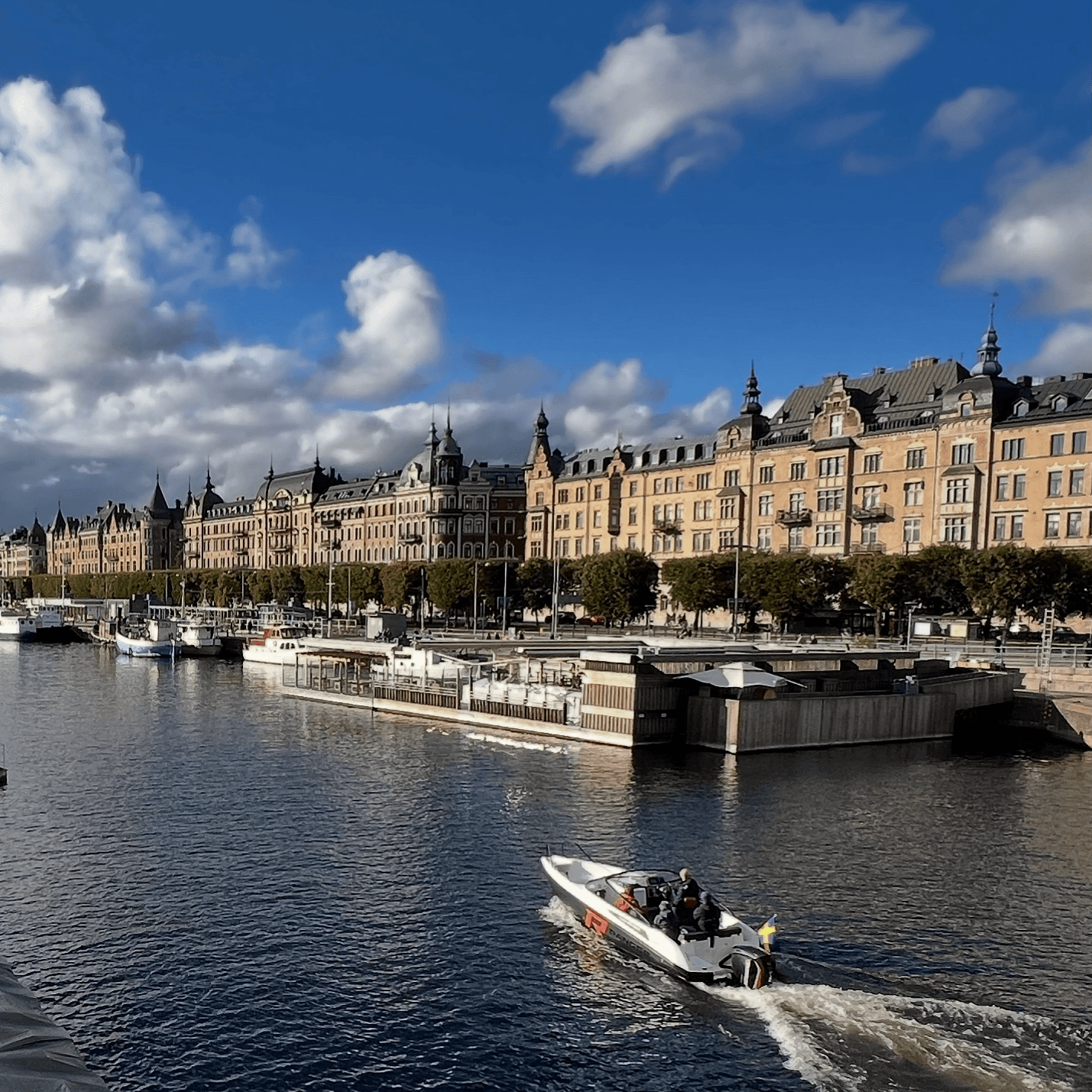
Let me set the scene.
You have three shoot days. Four cities. A client who just added a location. A travel itinerary held together with a spreadsheet and optimism. And somewhere between the first flight and the second hotel, you realize that the real job of a producer isn't creative at all. It's logistics. It's contingency planning. It's knowing exactly what you'll do when something goes wrong, because something is always going to go wrong.
I've managed multi-location shoots across the US and internationally, across time zones, languages, and wildly different production cultures. And while no two shoots are ever the same, the principles that keep them from unraveling mostly are.
Here's what I've learned.
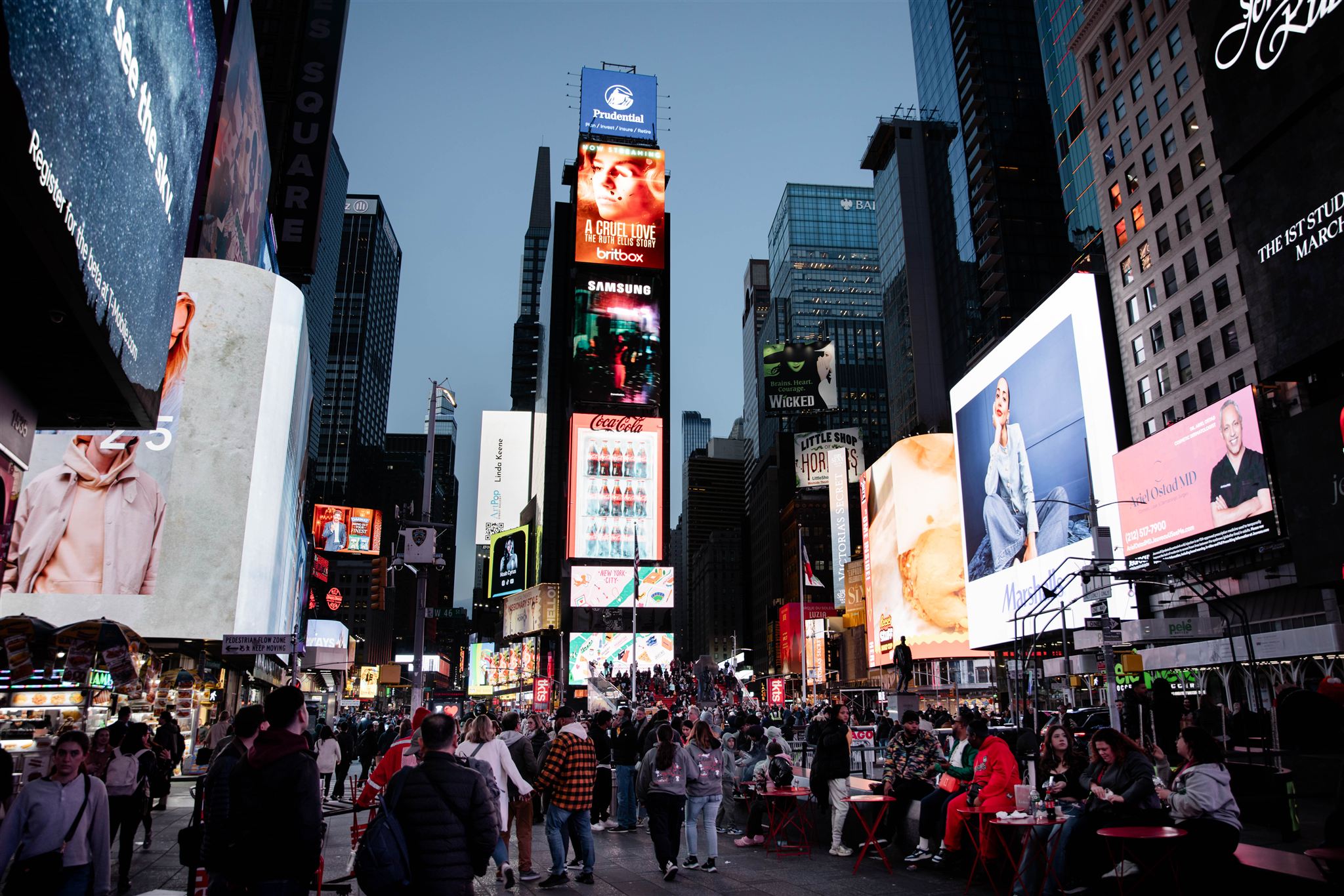
Lock the logistics before you touch the creative.
This sounds obvious. It isn't practiced nearly enough.
Before you think about shot lists, visual language, or interview framing, you need to know exactly how people and gear are moving from point A to point B. Who is carrying what. What happens if a flight gets delayed. Whether the venue at location three has the loading dock access your grip swore was confirmed.
I've watched shoots fall apart not because the creative was weak but because nobody owned the logistics document. On a single-location shoot you can recover from a gap in planning. Across multiple cities, that gap becomes a canyon.
Build the logistics layer first. Build it in detail. Then build the creative on top of it.
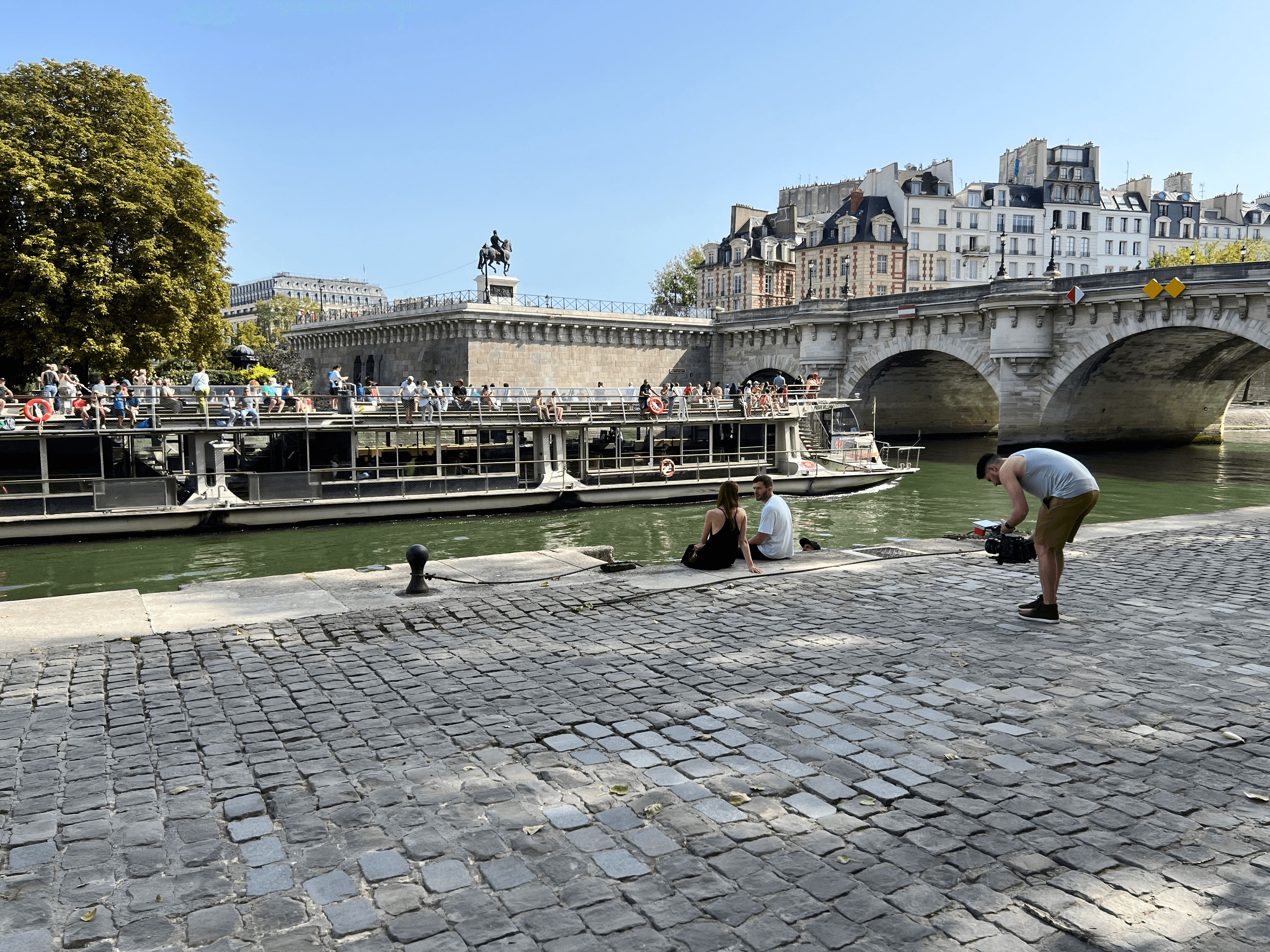
One point of contact per location.
If you don't have a local point of contact at each location, get one before you land. This is non-negotiable.
It doesn't have to be a producer or a crew member. It can be someone from the client's local office, a venue coordinator, or a local fixer. What matters is that there is a person on the ground who knows where things are, who can get doors opened, and who you can call at 7am when the parking situation turns out to be nothing like what was described in the venue walkthrough.
Remote managing a location problem from another city is a special kind of stressful. A local contact cuts that problem in half before it starts.
Build buffer into everything.
Travel days lie to you. They look manageable on a calendar until a connection gets tight, luggage gets delayed, or you land in a city and discover that "fifteen minutes from the airport" meant fifteen minutes with zero traffic at 2am on a Tuesday.
Every multi-location shoot I've managed well had buffer built in. Not just in the schedule but in the budget, the crew size, and the shot list. When you build lean with no room to absorb disruption, one bad travel day cascades into a compromised shoot day. Give yourself room to absorb the unexpected without it becoming a crisis.
Standardize what you can so you can flex when you need to.
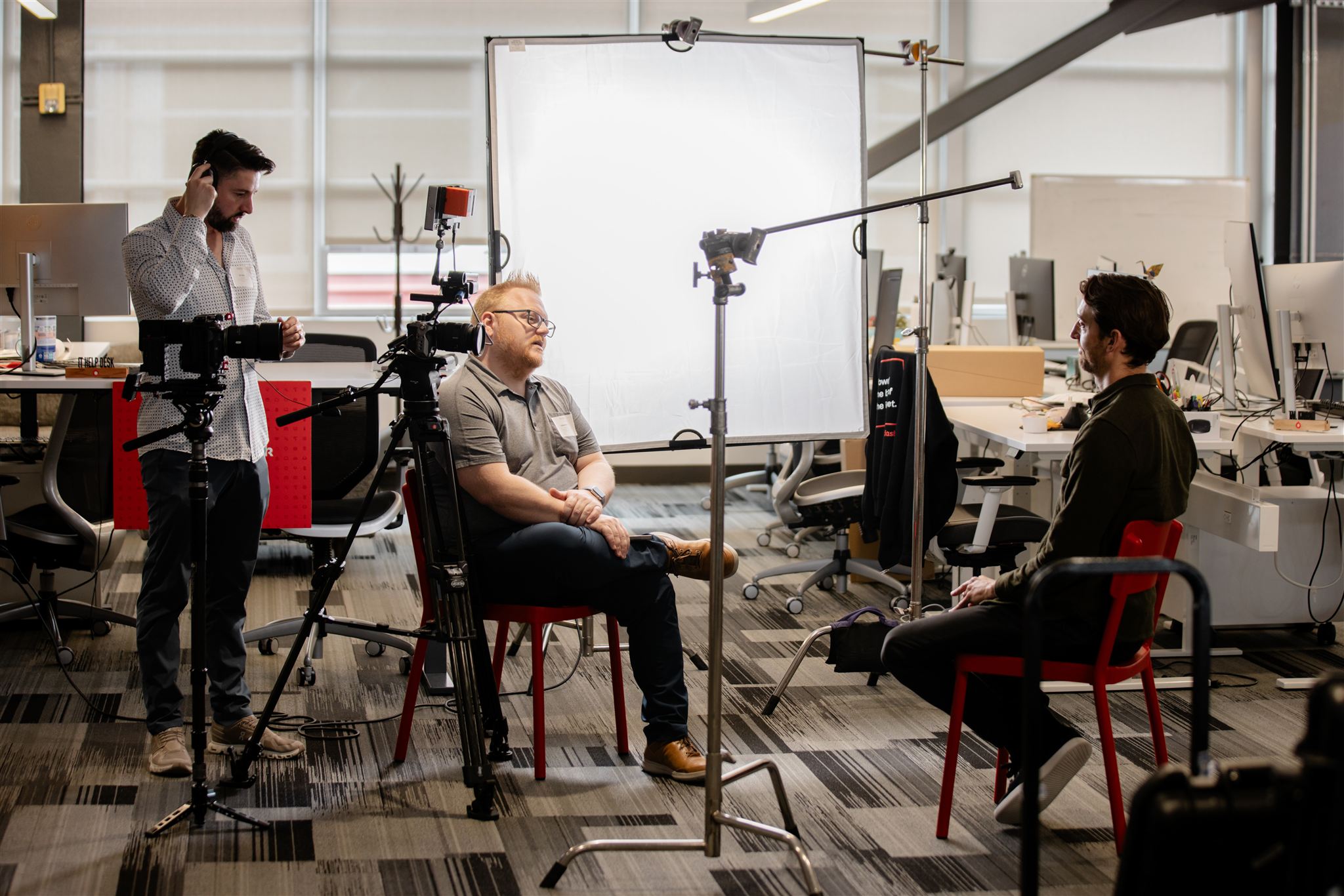
On a multi-location shoot you cannot reinvent the wheel at every stop. Your interview setup, your lighting approach, your run-of-show structure — these should be as consistent as possible across locations. Not because consistency is exciting, but because it frees up your mental energy for the things that actually require creative decision-making.
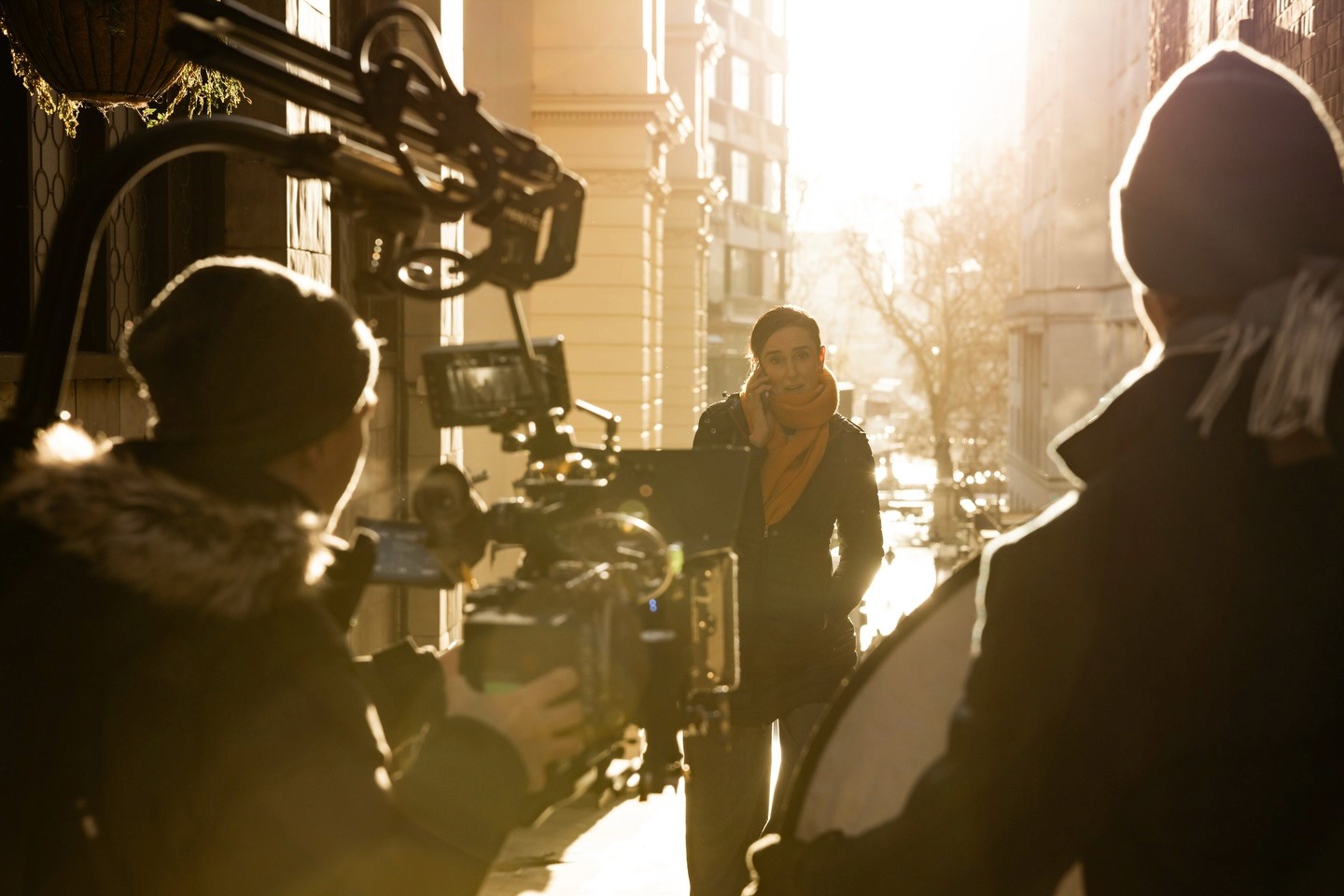
When the technical and logistical elements are locked and repeatable, you have more capacity to respond to the unique texture of each location. The unexpected light coming through a window. The background that's better than anything you scouted. The interview subject who needs an extra ten minutes to warm up.
Standardize the framework. Stay curious inside it.
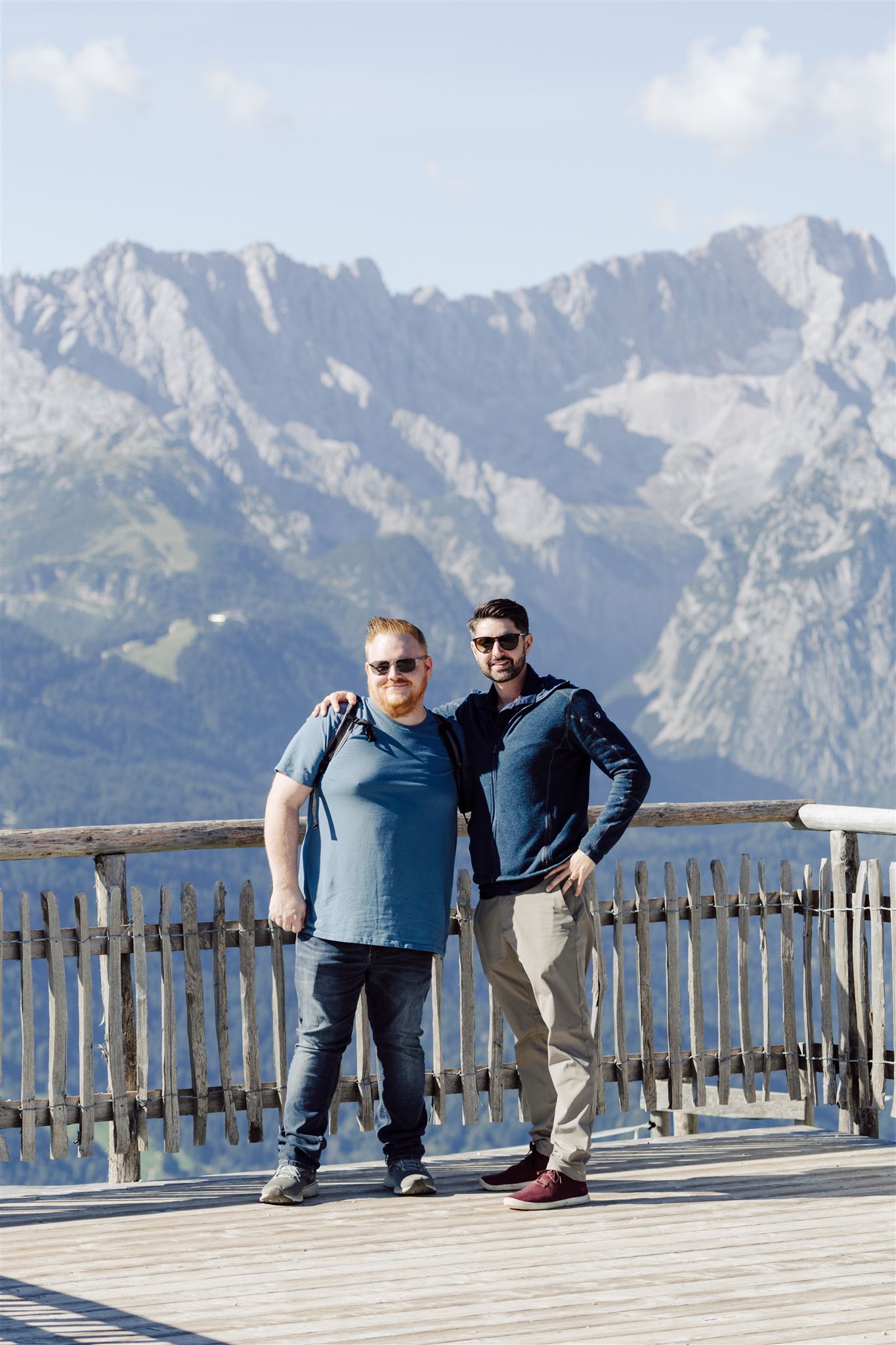
Communicate more than you think you need to
Your crew, your client, and your local contacts should never be guessing. Before each shoot day, everyone should know the call time, the location address, the parking situation, the day's objectives, and who to call if something changes. This sounds like basic production management. You would be surprised how often it gets skipped in the rush of moving between cities.
A tight pre-shoot brief takes twenty minutes to write and saves two hours of confusion on the day. Do it every time.
Know when to call an audible
All of this planning exists for one reason: so that when things go sideways, you have enough structure underneath you to make a smart decision quickly.
And things will go sideways. The location falls through. The subject cancels. The weather makes an outdoor setup impossible. The flight lands two hours late and now you have ninety minutes to shoot what was scheduled for three hours.
The producers I've seen handle these moments best aren't the ones who never panic. They're the ones who've already played the scenario out in their head. They know their priorities. They know what they can cut without killing the piece. They've already had the conversation with the client about what the non-negotiables are.
Plan thoroughly. Hold the plan loosely. Know your non-negotiables.
The real job
Multi-location shoots are one of the most demanding things you can take on in production. They test your organizational skills, your people skills, your ability to stay calm when the day is falling apart, and your ability to still make something worth watching at the end of it.
But there's something I genuinely love about them. Every location brings its own energy, its own light, its own unexpected moments. When it all comes together, you end up with a piece that feels like it has actual scope and texture. Like the world in it is real, because it is.
The logistics are hard. The work is worth it.
More to Discover

Managing Multiple Location Shoots Without Losing Your Mind
A practical guide to keeping multi-city productions on track, drawn from real-world experience across markets and time zones.
Insights
Let me set the scene.
You have three shoot days. Four cities. A client who just added a location. A travel itinerary held together with a spreadsheet and optimism. And somewhere between the first flight and the second hotel, you realize that the real job of a producer isn't creative at all. It's logistics. It's contingency planning. It's knowing exactly what you'll do when something goes wrong, because something is always going to go wrong.
I've managed multi-location shoots across the US and internationally, across time zones, languages, and wildly different production cultures. And while no two shoots are ever the same, the principles that keep them from unraveling mostly are.
Here's what I've learned.
Lock the logistics before you touch the creative.
This sounds obvious. It isn't practiced nearly enough.
Before you think about shot lists, visual language, or interview framing, you need to know exactly how people and gear are moving from point A to point B. Who is carrying what. What happens if a flight gets delayed. Whether the venue at location three has the loading dock access your grip swore was confirmed.
I've watched shoots fall apart not because the creative was weak but because nobody owned the logistics document. On a single-location shoot you can recover from a gap in planning. Across multiple cities, that gap becomes a canyon.
Build the logistics layer first. Build it in detail. Then build the creative on top of it.
One point of contact per location.
If you don't have a local point of contact at each location, get one before you land. This is non-negotiable.
It doesn't have to be a producer or a crew member. It can be someone from the client's local office, a venue coordinator, or a local fixer. What matters is that there is a person on the ground who knows where things are, who can get doors opened, and who you can call at 7am when the parking situation turns out to be nothing like what was described in the venue walkthrough.
Remote managing a location problem from another city is a special kind of stressful. A local contact cuts that problem in half before it starts.
Build buffer into everything.
Travel days lie to you. They look manageable on a calendar until a connection gets tight, luggage gets delayed, or you land in a city and discover that "fifteen minutes from the airport" meant fifteen minutes with zero traffic at 2am on a Tuesday.
Every multi-location shoot I've managed well had buffer built in. Not just in the schedule but in the budget, the crew size, and the shot list. When you build lean with no room to absorb disruption, one bad travel day cascades into a compromised shoot day. Give yourself room to absorb the unexpected without it becoming a crisis.
Standardize what you can so you can flex when you need to.
On a multi-location shoot you cannot reinvent the wheel at every stop. Your interview setup, your lighting approach, your run-of-show structure — these should be as consistent as possible across locations. Not because consistency is exciting, but because it frees up your mental energy for the things that actually require creative decision-making.
When the technical and logistical elements are locked and repeatable, you have more capacity to respond to the unique texture of each location. The unexpected light coming through a window. The background that's better than anything you scouted. The interview subject who needs an extra ten minutes to warm up.
Standardize the framework. Stay curious inside it.
Communicate more than you think you need to
Your crew, your client, and your local contacts should never be guessing. Before each shoot day, everyone should know the call time, the location address, the parking situation, the day's objectives, and who to call if something changes. This sounds like basic production management. You would be surprised how often it gets skipped in the rush of moving between cities.
A tight pre-shoot brief takes twenty minutes to write and saves two hours of confusion on the day. Do it every time.
Know when to call an audible
All of this planning exists for one reason: so that when things go sideways, you have enough structure underneath you to make a smart decision quickly.
And things will go sideways. The location falls through. The subject cancels. The weather makes an outdoor setup impossible. The flight lands two hours late and now you have ninety minutes to shoot what was scheduled for three hours.
The producers I've seen handle these moments best aren't the ones who never panic. They're the ones who've already played the scenario out in their head. They know their priorities. They know what they can cut without killing the piece. They've already had the conversation with the client about what the non-negotiables are.
Plan thoroughly. Hold the plan loosely. Know your non-negotiables.
The real job
Multi-location shoots are one of the most demanding things you can take on in production. They test your organizational skills, your people skills, your ability to stay calm when the day is falling apart, and your ability to still make something worth watching at the end of it.
But there's something I genuinely love about them. Every location brings its own energy, its own light, its own unexpected moments. When it all comes together, you end up with a piece that feels like it has actual scope and texture. Like the world in it is real, because it is.
The logistics are hard. The work is worth it.
More to Discover
Managing Multiple Location Shoots Without Losing Your Mind
A practical guide to keeping multi-city productions on track, drawn from real-world experience across markets and time zones.
Insights
Let me set the scene.
You have three shoot days. Four cities. A client who just added a location. A travel itinerary held together with a spreadsheet and optimism. And somewhere between the first flight and the second hotel, you realize that the real job of a producer isn't creative at all. It's logistics. It's contingency planning. It's knowing exactly what you'll do when something goes wrong, because something is always going to go wrong.
I've managed multi-location shoots across the US and internationally, across time zones, languages, and wildly different production cultures. And while no two shoots are ever the same, the principles that keep them from unraveling mostly are.
Here's what I've learned.
Lock the logistics before you touch the creative.
This sounds obvious. It isn't practiced nearly enough.
Before you think about shot lists, visual language, or interview framing, you need to know exactly how people and gear are moving from point A to point B. Who is carrying what. What happens if a flight gets delayed. Whether the venue at location three has the loading dock access your grip swore was confirmed.
I've watched shoots fall apart not because the creative was weak but because nobody owned the logistics document. On a single-location shoot you can recover from a gap in planning. Across multiple cities, that gap becomes a canyon.
Build the logistics layer first. Build it in detail. Then build the creative on top of it.
One point of contact per location.
If you don't have a local point of contact at each location, get one before you land. This is non-negotiable.
It doesn't have to be a producer or a crew member. It can be someone from the client's local office, a venue coordinator, or a local fixer. What matters is that there is a person on the ground who knows where things are, who can get doors opened, and who you can call at 7am when the parking situation turns out to be nothing like what was described in the venue walkthrough.
Remote managing a location problem from another city is a special kind of stressful. A local contact cuts that problem in half before it starts.
Build buffer into everything.
Travel days lie to you. They look manageable on a calendar until a connection gets tight, luggage gets delayed, or you land in a city and discover that "fifteen minutes from the airport" meant fifteen minutes with zero traffic at 2am on a Tuesday.
Every multi-location shoot I've managed well had buffer built in. Not just in the schedule but in the budget, the crew size, and the shot list. When you build lean with no room to absorb disruption, one bad travel day cascades into a compromised shoot day. Give yourself room to absorb the unexpected without it becoming a crisis.
Standardize what you can so you can flex when you need to.
On a multi-location shoot you cannot reinvent the wheel at every stop. Your interview setup, your lighting approach, your run-of-show structure — these should be as consistent as possible across locations. Not because consistency is exciting, but because it frees up your mental energy for the things that actually require creative decision-making.
When the technical and logistical elements are locked and repeatable, you have more capacity to respond to the unique texture of each location. The unexpected light coming through a window. The background that's better than anything you scouted. The interview subject who needs an extra ten minutes to warm up.
Standardize the framework. Stay curious inside it.
Communicate more than you think you need to
Your crew, your client, and your local contacts should never be guessing. Before each shoot day, everyone should know the call time, the location address, the parking situation, the day's objectives, and who to call if something changes. This sounds like basic production management. You would be surprised how often it gets skipped in the rush of moving between cities.
A tight pre-shoot brief takes twenty minutes to write and saves two hours of confusion on the day. Do it every time.
Know when to call an audible
All of this planning exists for one reason: so that when things go sideways, you have enough structure underneath you to make a smart decision quickly.
And things will go sideways. The location falls through. The subject cancels. The weather makes an outdoor setup impossible. The flight lands two hours late and now you have ninety minutes to shoot what was scheduled for three hours.
The producers I've seen handle these moments best aren't the ones who never panic. They're the ones who've already played the scenario out in their head. They know their priorities. They know what they can cut without killing the piece. They've already had the conversation with the client about what the non-negotiables are.
Plan thoroughly. Hold the plan loosely. Know your non-negotiables.
The real job
Multi-location shoots are one of the most demanding things you can take on in production. They test your organizational skills, your people skills, your ability to stay calm when the day is falling apart, and your ability to still make something worth watching at the end of it.
But there's something I genuinely love about them. Every location brings its own energy, its own light, its own unexpected moments. When it all comes together, you end up with a piece that feels like it has actual scope and texture. Like the world in it is real, because it is.
The logistics are hard. The work is worth it.